

I’ve been building and servicing pre-roll machines since before most people knew what a cone was. Back then, we filled by hand – slow, messy, and every joint was a surprise. Then automation came, and suddenly we could run thousands per hour. But here’s the thing: a faster machine just makes bad cones faster.
Problem 1: Inconsistent density – loose at the tip, tight at the filter
This is the most common call I get. The customer says, “The machine packs too hard at the bottom.” What’s really happening is poor material flow. Your ground material is separating – fines fall first, then chunks. The fines pack tight, the chunks leave air pockets.
Fix: Use a pre‑conditioner or a gentle auger feeder that keeps the blend uniform. I also set my machines to back‑fill from the filter up, using low‑pressure air to settle material evenly. And always, always sieve your material before loading. Fines below 0.5 mm will ruin your day.
Problem 2: Bridging – the cone looks full but draws like a brick
A bridge is a hidden air gap inside the cone. You tamp, you tap, and the top looks fine. But when someone lights it, it goes out in thirty seconds. Bridging happens when you fill too fast or use a plunger that compresses from the top only.
Problem 3: Wrinkles or tears at the cone base
This one hurts because it’s usually a machine setup issue. The cone holder grips too tight, or the tamping rod is off‑center. I’ve watched perfectly good cones rip open during the final tamp – then the customer blames the paper.
Problem 4: Dust contamination inside the cone
Dust is the silent killer of pre‑rolls. It gets into the filter, clogs airflow, and makes the draw feel like a milkshake. Most machines generate dust by over‑tamping or using a rotary hammer that beats the material instead of settling it.
Fix: Use a low‑impact fill head – I prefer a progressive auger or a vacuum‑assisted fill. And install a dust extraction port right above the cone fill station. One of my clients added a $200 vacuum adapter and cut customer complaints by 70%.
Problem 5: Weight variation – the one that gets you in trouble
If you’re selling pre‑rolls by weight, variation over 5% will cost you money or legal headaches. Variation comes from inconsistent material density, worn auger flights, or temperature changes (material flows faster when warm).
Fix: Buy a machine with closed‑loop weight feedback – it scales each cone and adjusts the next fill automatically. I’ve installed systems that hold ±0.02 grams across 10,000 cones. Without feedback, you’re guessing. And guessing doesn’t pay the bills.

No machine is perfect out of the crate. The brands that succeed are the ones that train you on maintenance: cleaning the auger, checking cone holder alignment, and calibrating weight weekly. I’ve seen $100k machines gather dust because nobody knew how to clean the vibratory tray. And I’ve seen $20k machines run for years because the owner understood the basics.
So before you buy, ask the seller: “Who fixes this when it breaks at 2 AM?” If they hesitate, walk away. After 20 years, I know that a good pre-roll machine isn’t just about speed – it’s about waking up without angry calls from your customers. Get the filling right, and everything else gets easier.
After two decades on the road, I’ve seen the same five filling problems destroy product, clog nozzles, and send customers back to hand‑rolling. Let me save you the pain.
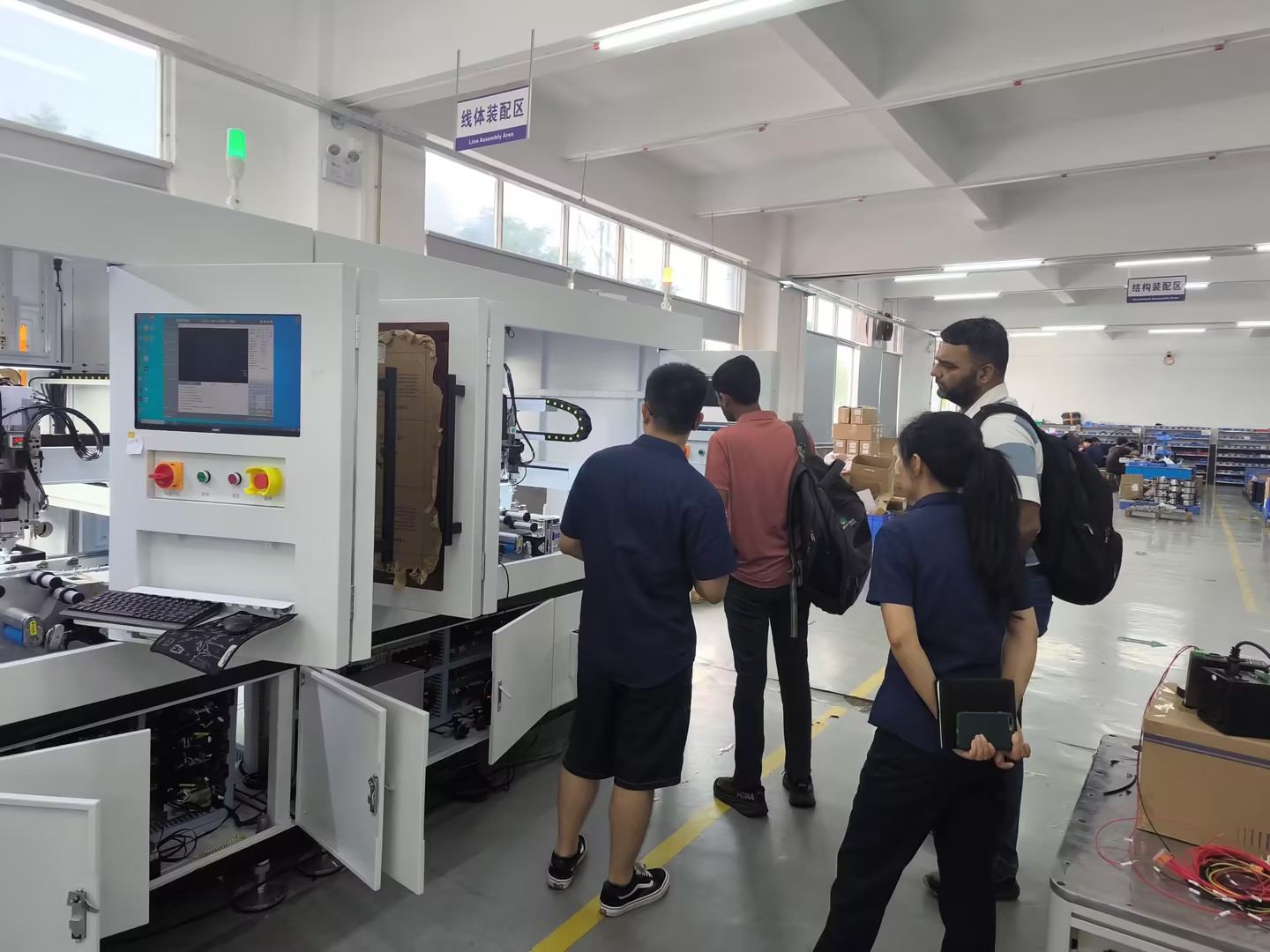
Problem 1: Inconsistent density – loose at the tip, tight at the filter
This is the most common call I get. The customer says, “The machine packs too hard at the bottom.” What’s really happening is poor material flow. Your ground material is separating – fines fall first, then chunks. The fines pack tight, the chunks leave air pockets.
Fix: Use a pre‑conditioner or a gentle auger feeder that keeps the blend uniform. I also set my machines to back‑fill from the filter up, using low‑pressure air to settle material evenly. And always, always sieve your material before loading. Fines below 0.5 mm will ruin your day.
Problem 2: Bridging – the cone looks full but draws like a brick
A bridge is a hidden air gap inside the cone. You tamp, you tap, and the top looks fine. But when someone lights it, it goes out in thirty seconds. Bridging happens when you fill too fast or use a plunger that compresses from the top only.
Fix: Switch to vibratory filling or a rotary turret that shakes the cone sideways as it fills. I retrofitted a client’s machine with a small vibratory rail last year – bridging dropped from 18% to under 2% overnight. Also, slow down your fill cycle. Patience beats speed when it comes to density.
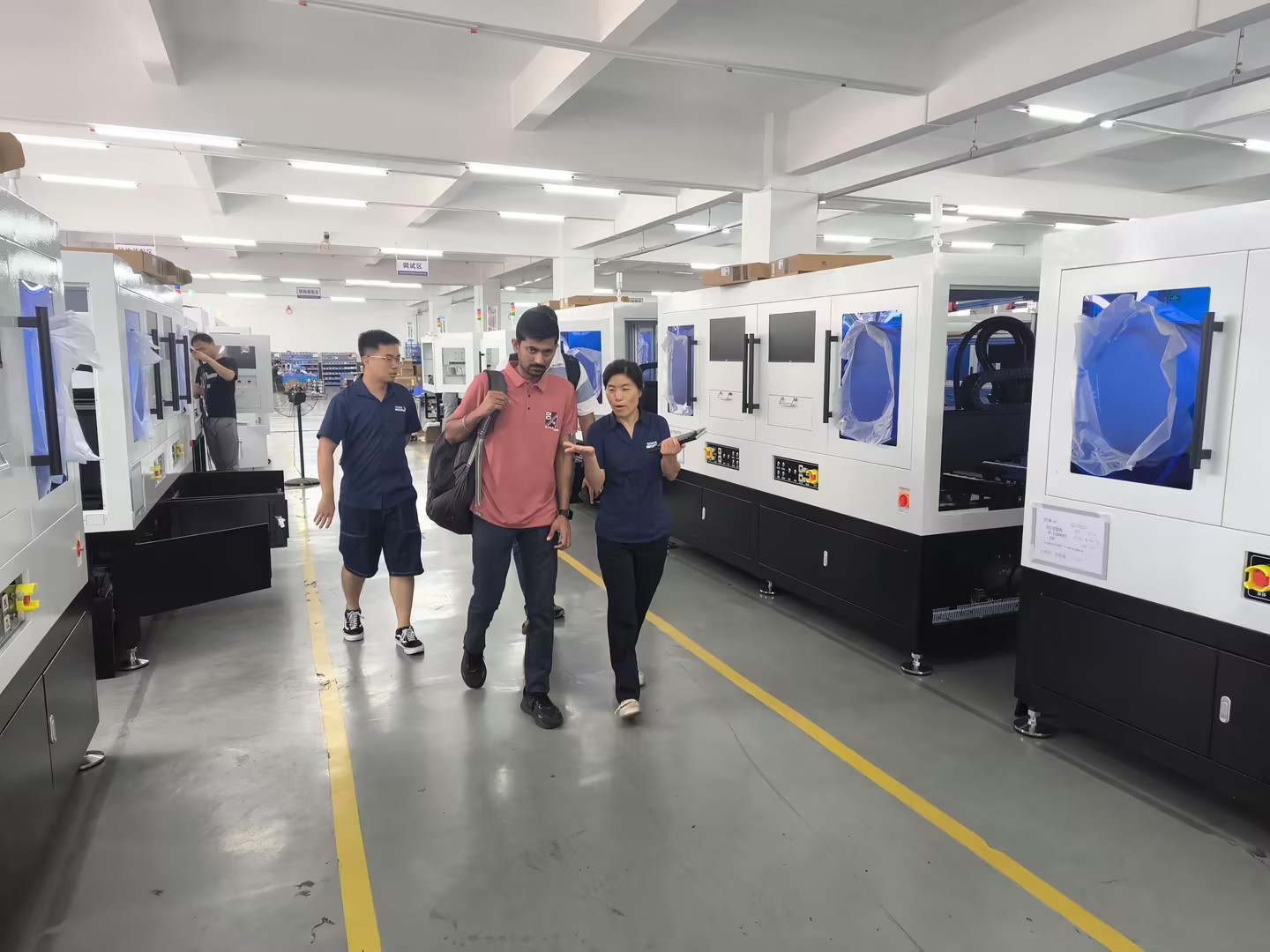
Problem 3: Wrinkles or tears at the cone base
This one hurts because it’s usually a machine setup issue. The cone holder grips too tight, or the tamping rod is off‑center. I’ve watched perfectly good cones rip open during the final tamp – then the customer blames the paper.
Fix: Check your cone holders every shift. They should grip firmly but not crush. And measure the centering of your tamp rod: a 0.5 mm misalignment will tear the seam every time. I keep a set of alignment gauges in my truck for exactly this.
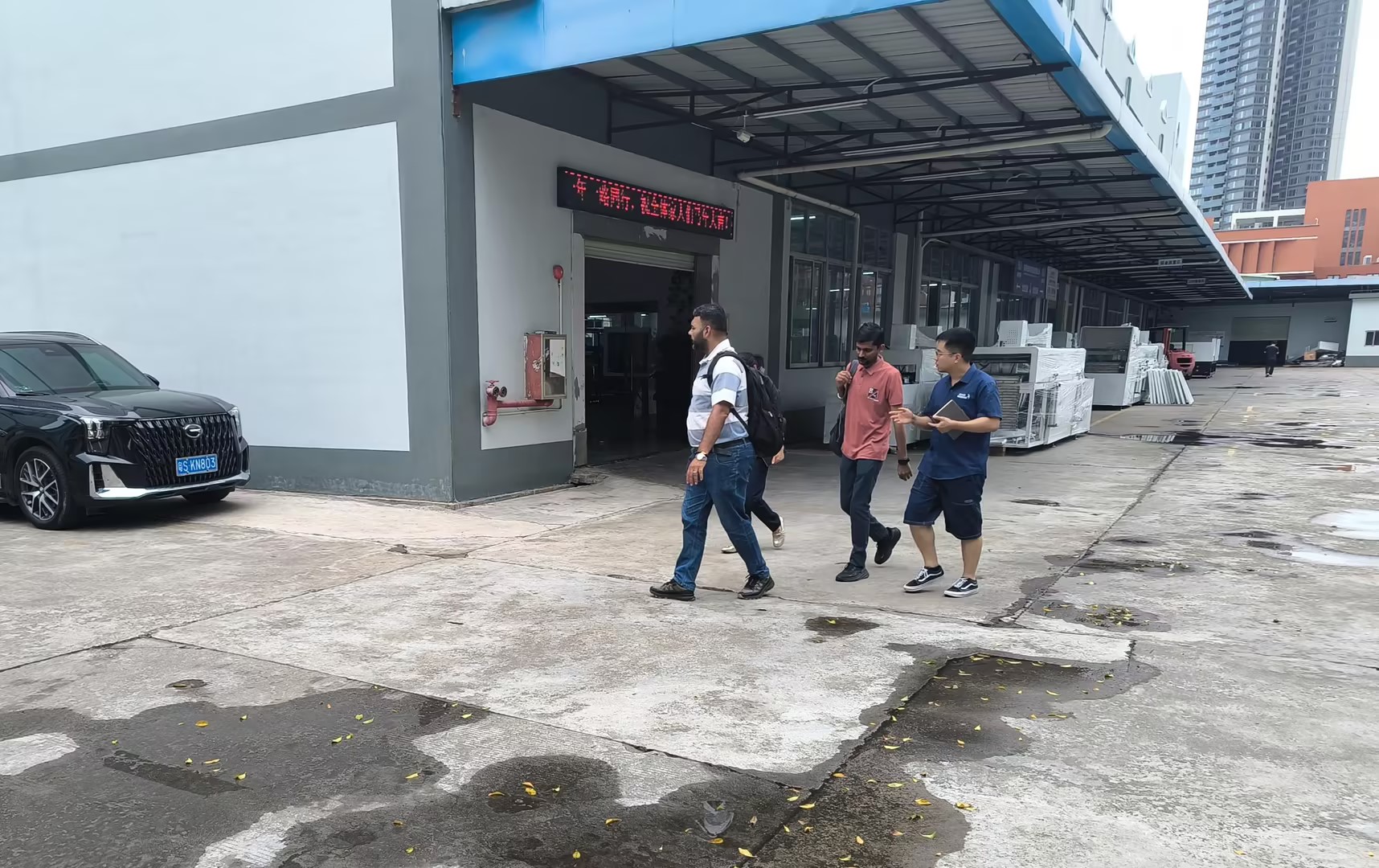
Problem 4: Dust contamination inside the cone
Dust is the silent killer of pre‑rolls. It gets into the filter, clogs airflow, and makes the draw feel like a milkshake. Most machines generate dust by over‑tamping or using a rotary hammer that beats the material instead of settling it.
Fix: Use a low‑impact fill head – I prefer a progressive auger or a vacuum‑assisted fill. And install a dust extraction port right above the cone fill station. One of my clients added a $200 vacuum adapter and cut customer complaints by 70%.
Problem 5: Weight variation – the one that gets you in trouble
If you’re selling pre‑rolls by weight, variation over 5% will cost you money or legal headaches. Variation comes from inconsistent material density, worn auger flights, or temperature changes (material flows faster when warm).
Fix: Buy a machine with closed‑loop weight feedback – it scales each cone and adjusts the next fill automatically. I’ve installed systems that hold ±0.02 grams across 10,000 cones. Without feedback, you’re guessing. And guessing doesn’t pay the bills.
No machine is perfect out of the crate. The brands that succeed are the ones that train you on maintenance: cleaning the auger, checking cone holder alignment, and calibrating weight weekly. I’ve seen $100k machines gather dust because nobody knew how to clean the vibratory tray. And I’ve seen $20k machines run for years because the owner understood the basics.
So before you buy, ask the seller: “Who fixes this when it breaks at 2 AM?” If they hesitate, walk away. After 20 years, I know that a good pre-roll machine isn’t just about speed – it’s about waking up without angry calls from your customers. Get the filling right, and everything else gets easier.
You May Also Like

Get a Quote
If you have any enquiry about quotation or cooperation,please feel free to email us at saleteam@xinhua-intelligent.com or use the following enquiry form.
Our sales will contact you within 24 hours. Thank you for your interest in our products.