


XinHua Intelligent: Powering the Global Pre-Roll Revolution with Automated Manufacturing Excellence
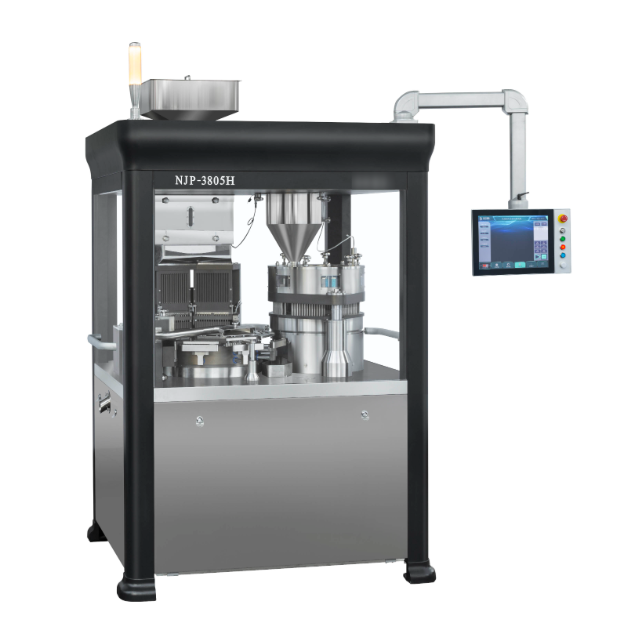
High output – Produces up to 1,200 pre‑rolls per hour, significantly reducing manual labour and production time. • Precise & adjustable – Operators can fine‑tune fill volume, density, and tamping pressure to suit different strains and grind sizes. • User‑friendly – Large touchscreen interface allows real‑time monitoring, fault alerts, and simple parameter changes. • Broad compatibility – Works with standard cone sizes (84mm, 98mm, 109mm) from major brands like RAW, Futurola, and King Palm; custom options available. • Easy maintenance – Stainless steel body, self‑lubricating mechanisms, and quick‑clean parts minimise downtime. • Global compliance – CE certified and designed for use in legal markets; XinHua provides installation, training, and remote diagnostics worldwide. • Proven track record – Over 19,000 m² of factory space, in‑house R&D, and a heritage in automotive and medical automation ensure reliability and long‑term performance.
What Is the Production Capacity of a Pre Roll Machine?
Three tiers exist: Entry-level desktop: ~80–150 units/hour (fine for micro-batches). Mid-tier automated: claimed 300–600/hour, real-world ~400–450 after jams and misalignments. High-speed industrial: claimed 2,500–4,500+/hour, sustainable ~1,800–2,200/hour with clean material. Brochure numbers are lies – they’re measured under “ideal conditions” that don’t exist in your actual grow-op. Throughput depends more on weight and grind than on motor speed. A 0.5g cone runs faster than a 1.0g cone, period. Rejects kill your effective capacity – a fast machine that rejects 15% of cones is slower than a modest machine that keeps every one. Don’t forget setup and cleanup – a 2,000/hour machine that takes 45 minutes to dial in every morning loses its advantage. Rule of thumb: real sustained output = 70–80% of the advertised peak number. Plan for that, and you won’t be the angry person yelling at a conveyor belt on a Tuesday.
Desktop vs Industrial Pre Roll Machines: A Love-Hate Tale of Two Cones
The desktop is your lovable, grumpy sidekick; it pays off fast but tests your patience. The industrial is a ruthless overachiever – flawless when it works, but it demands space, money, and a swear jar. Choose based on your ego and your monthly cone count. And never believe anyone who says either is “set and forget” – they’re both lying.
What Technical Support Can Pre‑Roll Machine Manufacturers Provide?
The article details five key areas of manufacturer support: Equipment selection – professional guidance to choose the right model based on production needs, material type, and working environment. Installation and commissioning – on‑site technical assistance for mechanical, electrical, and software setup to ensure optimal performance. Operator training – hands‑on instruction covering basic operation, routine maintenance, and fault troubleshooting. Maintenance and repair – timely services including fault diagnosis, parts replacement, software upgrades, and scheduled cleaning/lubrication to extend machine life. Technical consultation and after‑sales support – ongoing assistance via phone, email, or online chat, plus remote diagnostics and upgrades for added convenience.
What Is the Best Grind Size for Automated Pre-Rolls?
The article explores the “best” grind size for automated pre-roll machines, emphasizing that consistency is more important than a single ideal standard. It provides practical insights from production experience, covering how grind size interacts with moisture content and machine performance. The key takeaway is that stable, uniform grinding is essential for achieving efficient, high-quality automated production results.
How to Achieve Perfect Density in Pre-Rolls
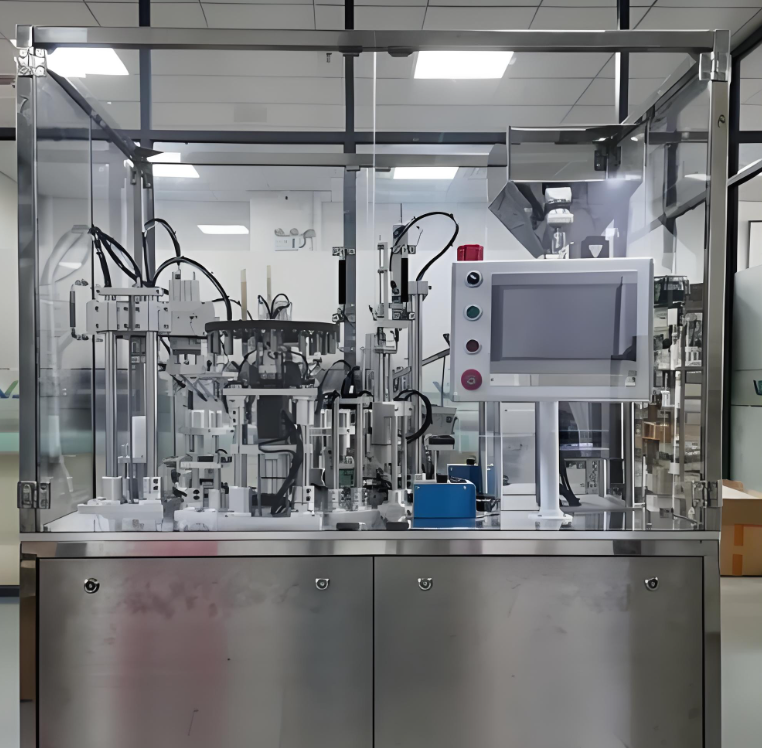
The article cuts through the usual industry hype and points out that most pre-rolls fail because of uneven fill, wrong grind size, or lazy packing. The author argues that perfect density isn't about fancy machines — it's about layering your material in small pinches, tamping lightly between each, and letting gravity do its part. A medium-fine grind (like breadcrumbs) and a simple finger-squeeze test (firm but springy, like a ripe avocado) are the only tools you need. The piece also calls out the outdated "knock-box" method as a shortcut that creates hidden air pockets and inconsistent burns. The takeaway? Spend an extra 30 seconds per roll to get density right, and you'll save your customers from bad pulls, canoeing, and wasted flower — all while keeping your brand's reputation intact. And yes, it ends with a friendly jab at anyone still using a shaker in 2026.
What Cone Sizes Can Pre Roll Machines Handle?
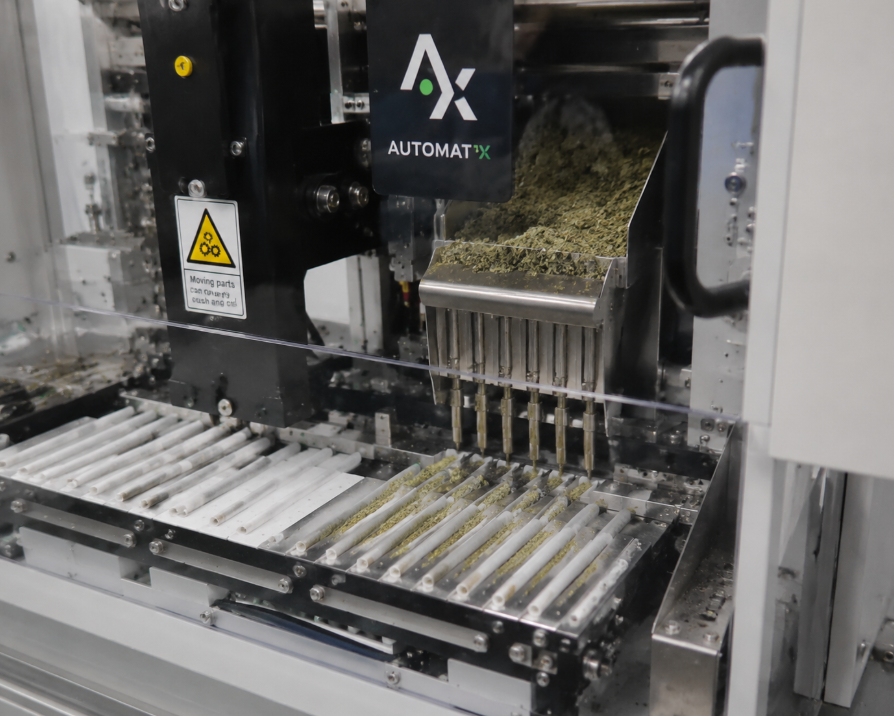
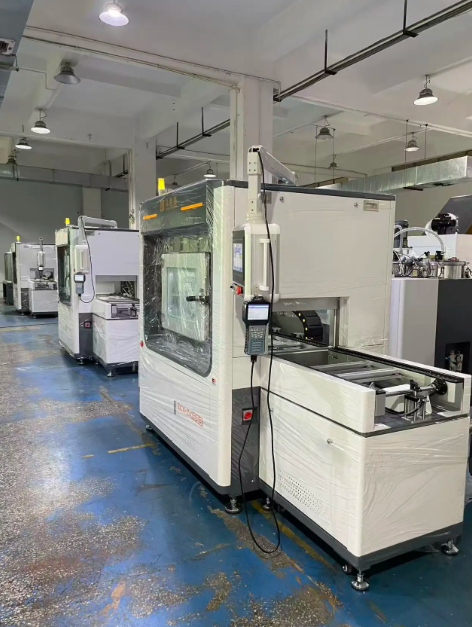
Choosing the right pre roll machine involves more than just production speed—it also requires understanding cone size compatibility. This article explores the most common cone sizes used in the cannabis industry, including 70mm mini cones, 84mm cones, 98mm standard cones, and 109mm king-size cones. It explains how modern pre roll machines adapt to different cone formats through adjustable tooling and interchangeable components, allowing manufacturers to produce multiple product types on a single machine. The article also discusses key factors buyers should consider, such as production flexibility, changeover time, filling accuracy, and future scalability. Whether you're launching a new cannabis brand or expanding production capacity, understanding cone compatibility can help you choose the right equipment and maximize your return on investment.

Common Problems in Cone Filling and How to Avoid Them
Based on 20 years of hands-on experience with pre-roll filling machines, this article identifies five common problems and their practical solutions: Inconsistent density (loose tip, tight filter) – Caused by material separation. Fix: pre-conditioner or gentle auger, back-filling with low-pressure air, and sieving out fines below 0.5 mm. Bridging (hidden air gap) – Happens when filling too fast or using top-only compression. Fix: vibratory filling or rotary turret with sideways shaking; slow down fill cycle. Wrinkles or tears at cone base – Usually from misaligned tamping rod or overly tight cone holder. Fix: check holders every shift, ensure rod centering within 0.5 mm using alignment gauges. Dust contamination – Dust clogs filters and restricts draw. Fix: low-impact fill head (progressive auger or vacuum-assisted), add dust extraction port above fill station. Weight variation – Critical for legal compliance. Fix: closed-loop weight feedback system that scales and adjusts each fill automatically – holds ±0.02 grams across 10,000 cones. Final advice: maintenance training and after-sales support matter more than machine price. A good pre-roll machine prevents angry customer calls.
How to Choose the Right Pre Roll Machine for Your Business
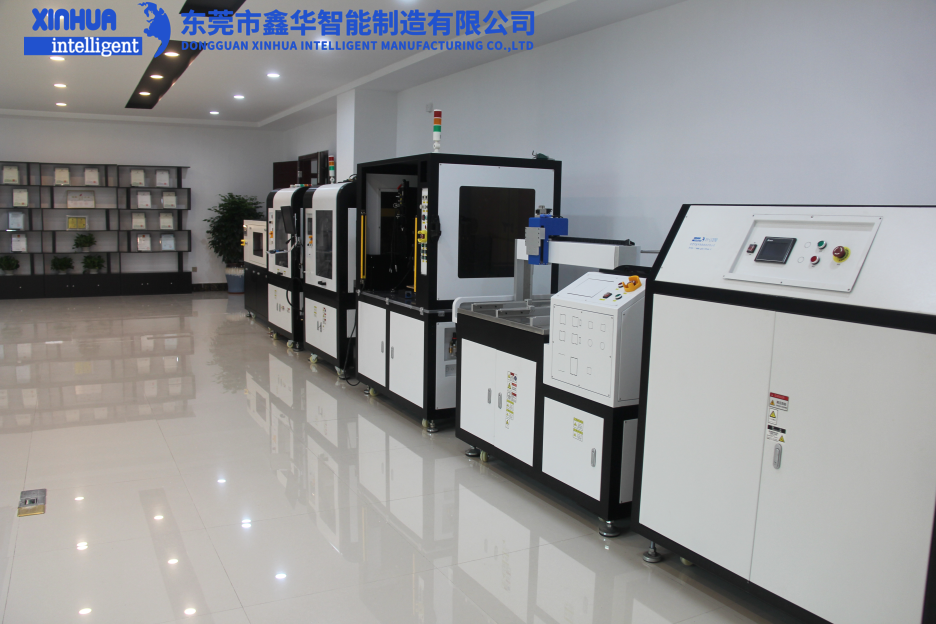
From an experienced engineer’s perspective, this article outlines five critical criteria for selecting the right pre‑roll machine for commercial production: Real‑world throughput vs. claimed speed Look for 85–90% sustained uptime, tool‑less changeover, and quick jam recovery. Avoid gravity‑only feed systems. Fill consistency & tamping control Demand closed‑loop load cell feedback and ±0.02g repeatability. Multi‑stage tamping (pre‑tamp, main, finish) and dual‑zone density control prevent loose or overpacked cones. Request a CPk report. Material handling flexibility Interchangeable stainless augers, variable‑frequency drive, chilled feed tube for sticky material, and active vacuum dust management for GMP compliance. Serviceability & spare parts Clearly labeled electrical panels, off‑the‑shelf wear parts, one‑year warranty with 48‑hour advanced replacement. Avoid proprietary components that cause weeks of downtime. Validation & training Vendor must provide IQ/OQ documentation, on‑site runtime validation with your material and cone size, plus technician training on sensor calibration and jam recovery. No black‑box firmware or pay‑per‑cycle leases.
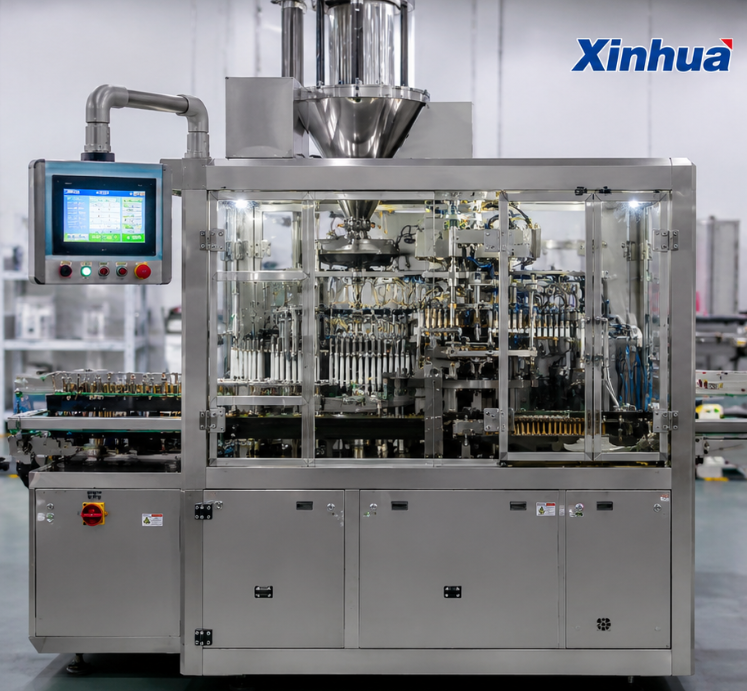
How Automated Pre-Roll Machines Increase Production Efficiency
This article explains how automated pre-roll machines help manufacturers improve production efficiency through faster output, better filling consistency, reduced labor dependency, and lower material waste. Written from the perspective of an experienced pre-roll machine engineer, the blog also explores how automation supports scalable production and long-term business growth in competitive manufacturing environments.
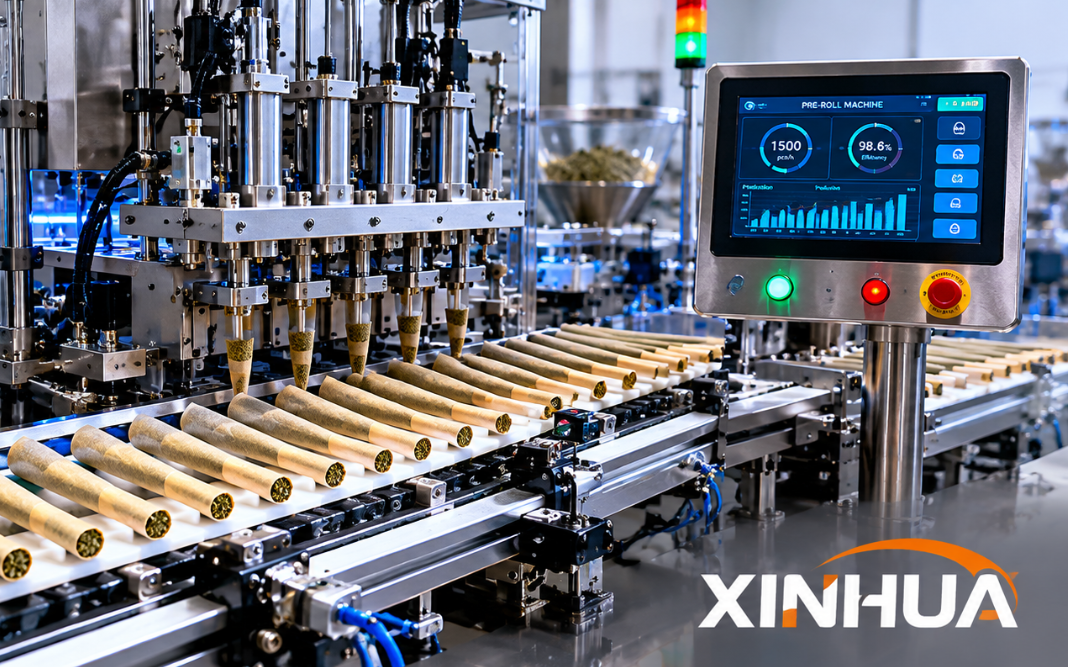
Why Pre‑Rolls Burn Unevenly and How to Fix It
The real problem: Uneven burning almost never comes from the strain itself. It comes from inconsistent particle size, uneven packing pressure along the cone, and moisture variation during filling. Three root causes – and machine fixes: Grind inconsistency → Use a volumetric filler with density sensors that reject off‑spec tubes. Uneven packing → Automatic multi‑stage tamping with programmable force feedback (light at tip, firmer at top – or vice versa). Humidity issues → Sealed filling chamber or integrated humidity control, plus a moisture sensor on the hopper. Why manual/semi‑auto fails: Hand packing creates layered density – tight at the tip, loose at the top – leading to canoe burns every time. The bottom line: Stop chasing quality with manual inspection. Invest in a pre‑roll machine that controls grind, tamping, and environment. Consistent burn = repeat customers.
Complete Guide to Cone Stuffing Machine
By understanding these aspects of cone stuffing machines, you can make informed decisions when purchasing and operating these valuable tools for your pre-roll production needs. Always refer to the specific user manual provided by the manufacturer for detailed instructions and safety guidelines related to your particular machine model.


Can pre-roll machines be used to create different types of cannabis products, like blunts or cones
Yes, pre-roll machines can be used to create different types of cannabis products, including both cones and blunts. Many modern pre-roll machines are designed with versatility to accommodate various sizes and styles of rolling papers or tubes, enabling the production of standard pre-rolled cones, joints, and larger blunt tubes.
