

If you’re scaling a pre-roll production line, you already know: not all machines are created equal. After 15 years in automated filling systems, I’ve seen too many operators chase low upfront costs—only to bleed money on downtime, inconsistent fills, and crushed cones. Here’s what actually matters when you’re specifying equipment for B2B volume.
1. Throughput vs. Real-World Uptime
A spec sheet might claim 2,000 units per hour. But ask for the sustained rate after cleaning, jam clearing, and material refills. Look for modular designs with quick-access hoppers and tool-less changeover. Machines with pneumatic vibratory bowl feeds or brushless servo drives typically deliver 85–90% actual uptime. Avoid anything relying on gravity alone—moisture or particle size variation will stop it cold.
2. Fill Consistency & Tamping Control
Your buyers demand ±0.02g repeatability. That requires closed-loop load cell feedback on each tamping cycle, not just timed air pulses. Check if the machine offers separate pre-tamp, main tamp, and finish tamp stations. Dual-zone density control prevents loose ends (which burn hot) or overpacked shoulders (which canoe). Ask for a CPk report from the manufacturer—if they can’t provide one, walk away.
3. Material Handling Flexibility
Dry flower, kief, or infused blends behave differently. The right machine has interchangeable screw augers (stainless, with polished flights) and variable-frequency drive for torque adaptation. For sticky or high-moisture material, look for a chilled feed tube option. And never underestimate dust management: a sealed cone indexing turret with active vacuum porting keeps your GMP rating intact.
4. Serviceability & Spare Parts
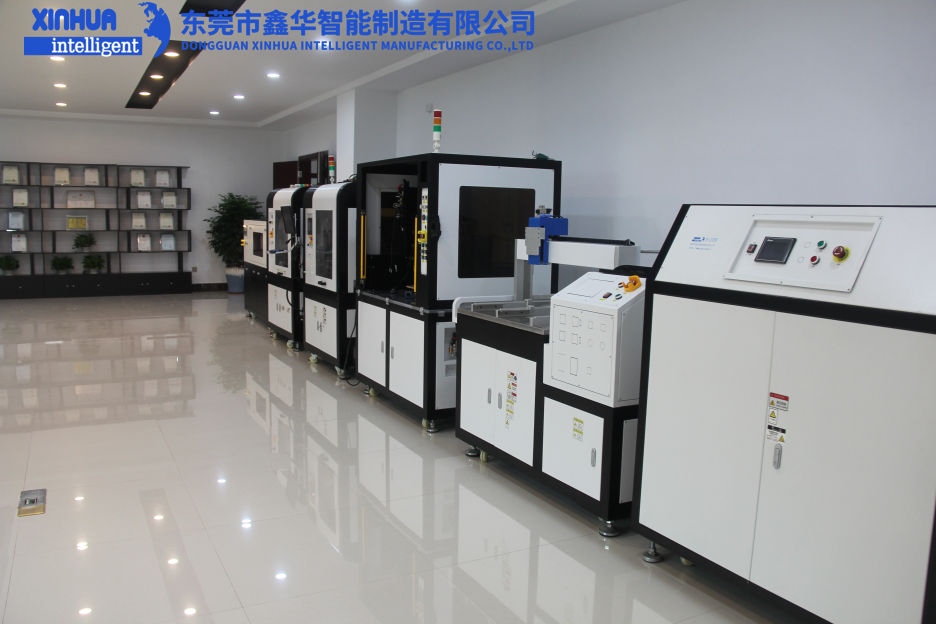
Ask to see the electrical panel. Are relays and drives labeled? Is there a diagnostic LED for each solenoid? Demand a one-year parts warranty with 48-hour advanced replacement. More importantly, confirm that common wear items (tamping pins, cone grippers, belt drives) are off-the-shelf standard, not custom. I’ve watched entire operations stall for six weeks waiting on a proprietary gear.
5. Validation & Training
A serious vendor provides IQ/OQ documentation and on-site runtime validation—your material, your cone size. They should train your techs on sensor calibration and jam recovery. No pay-per-cycle leases. No “black box” firmware locked to a dealer.
Final advice: Run a 48-hour stress test before signing. Measure every 500th cone for weight, density, and tip integrity. The machine that passes that is the one you keep for a decade. Choose wisely—your OEE depends on it.
You May Also Like


Get a Quote
If you have any enquiry about quotation or cooperation,please feel free to email us at saleteam@xinhua-intelligent.com or use the following enquiry form.
Our sales will contact you within 24 hours. Thank you for your interest in our products.